
| By | Paul Holmes |
| Scale | 7mm |
| Gauge | 17.5mm |
| Size | 5.25m x 1m |
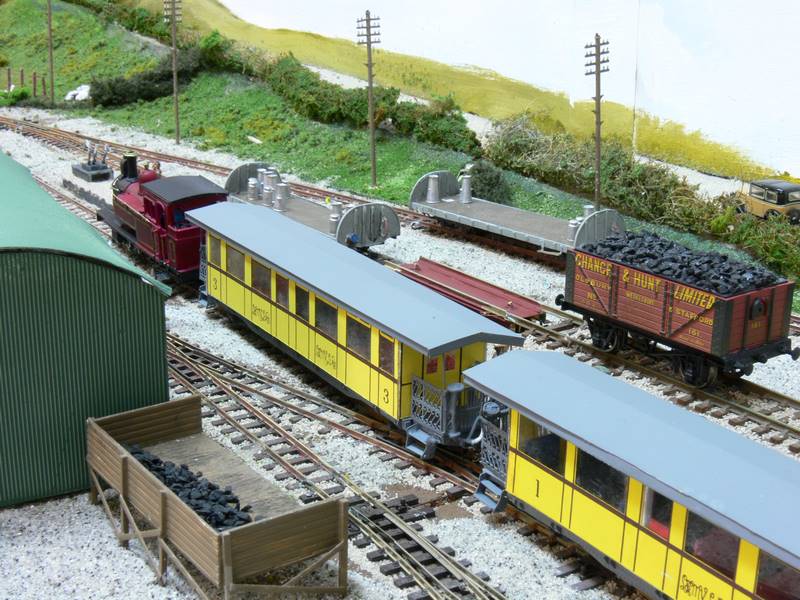
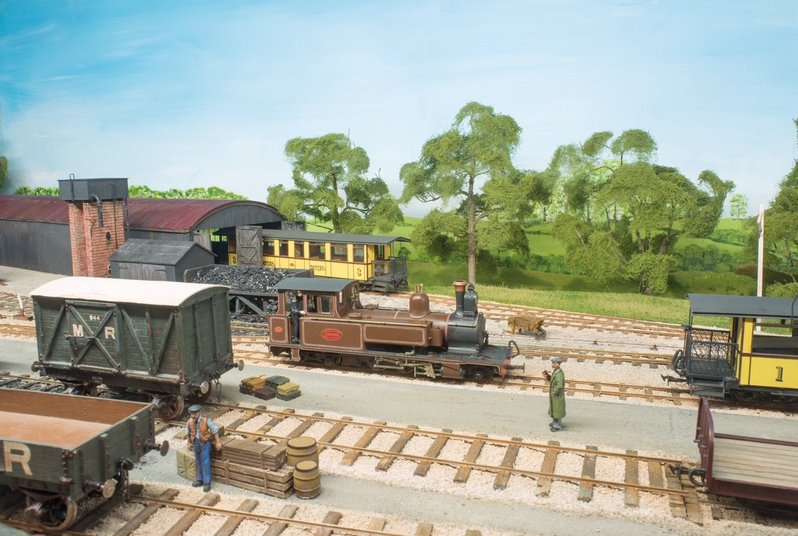
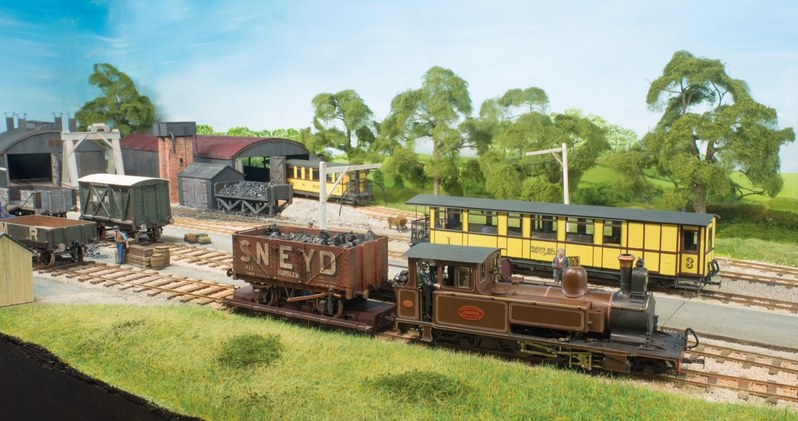
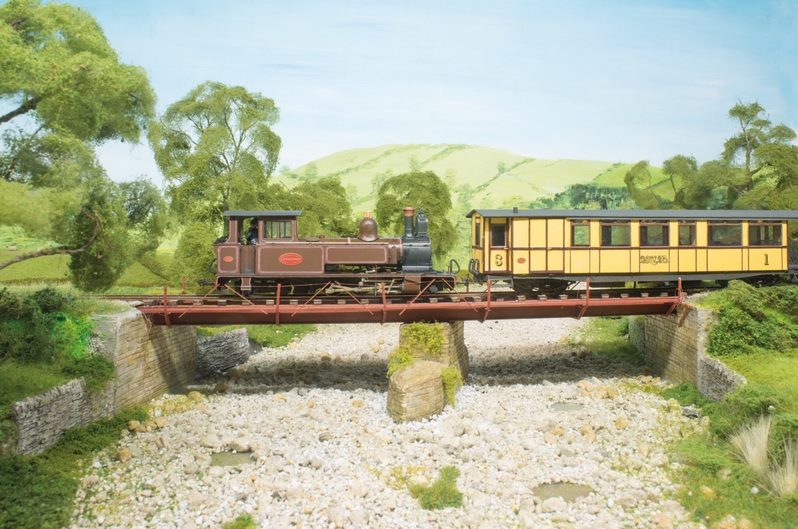
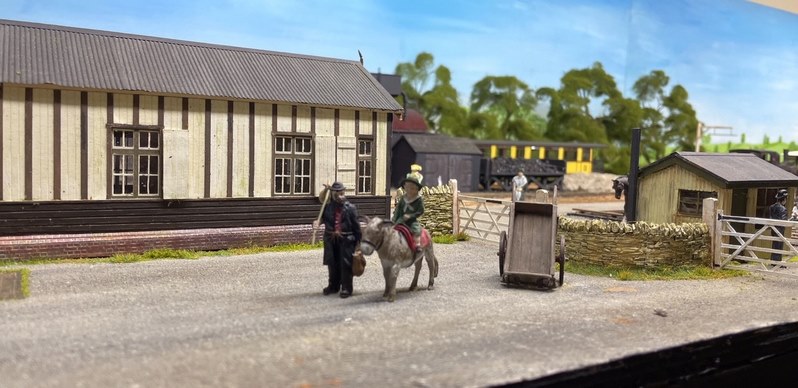
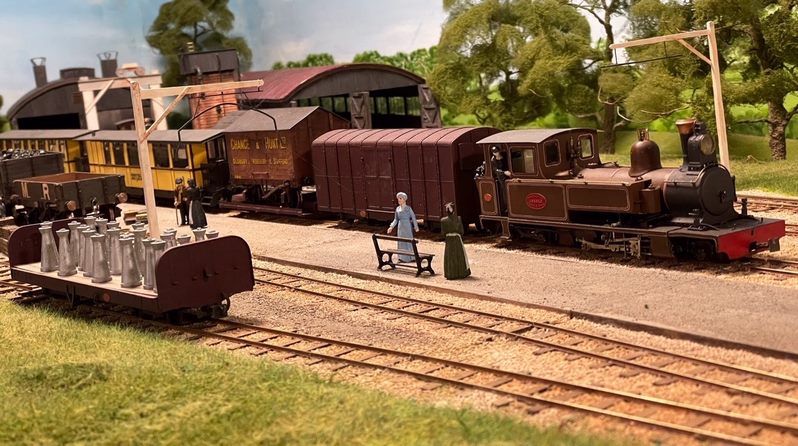
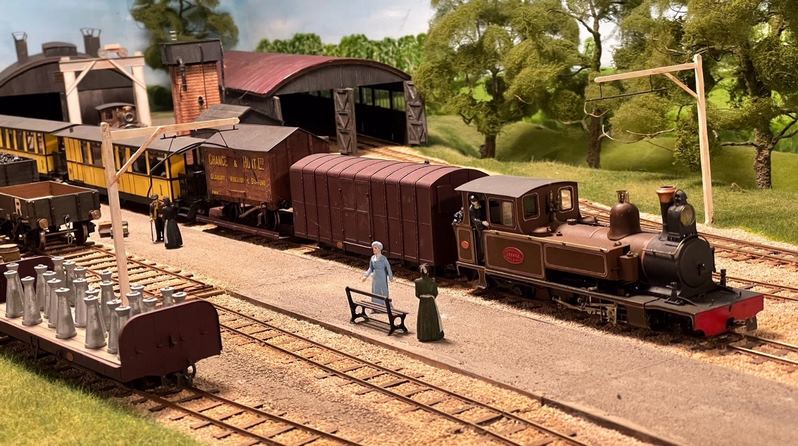
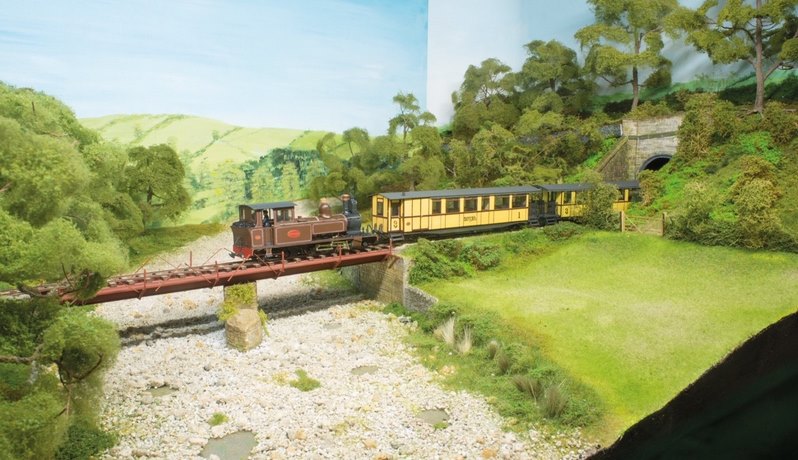
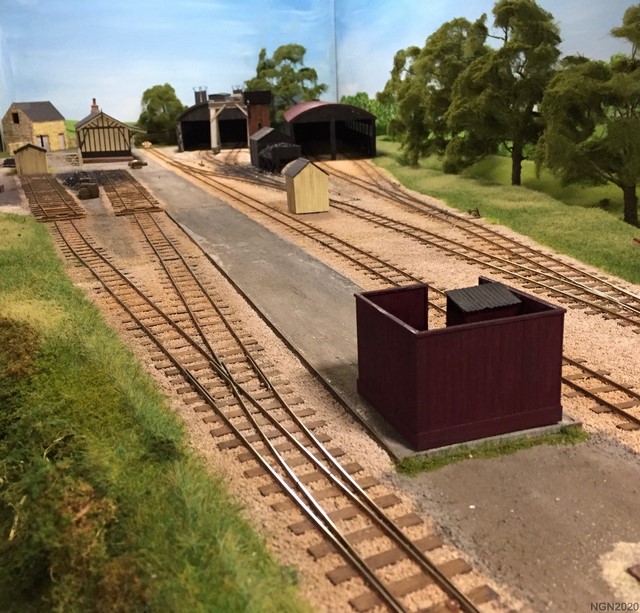
The Leek and Manifold Valley Light Railway was opened in 1904, a 2’6” gauge line from the Staffordshire villages of Waterhouses to Hulme End. At Waterhouses it formed a junction with the standard gauge North Staffs Railway, who operated the narrow gauge line from the beginning. The Hulme End terminus was the centre of operations, housing the engine and carriage sheds with facilities for maintenance of stock.
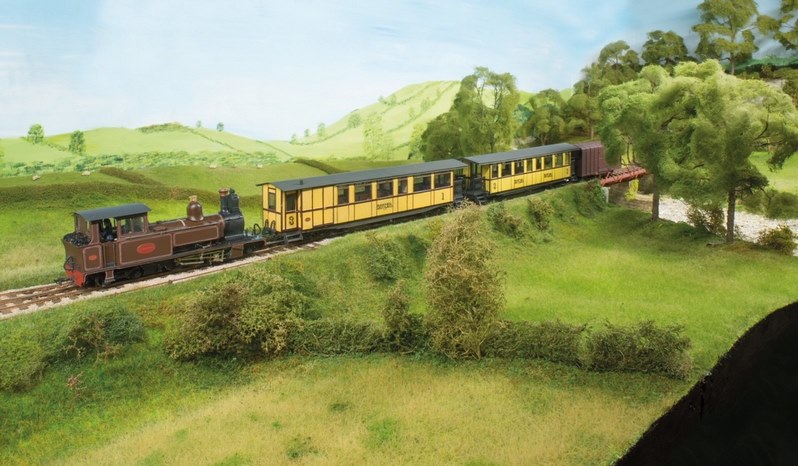
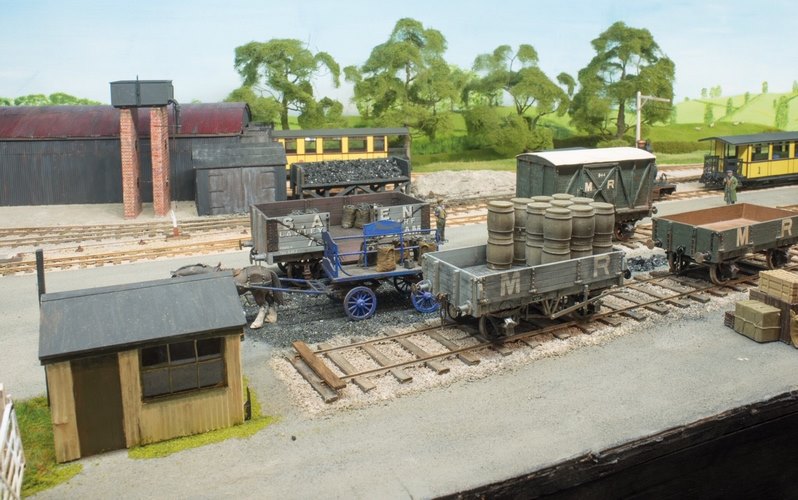
The model is built to 7mm scale and is set shortly after opening, in the first decade of the twentieth century. I have tried to make it as accurately as I could; this includes the adoption of correct 17.5mm gauge, not the usual 0-16.5. The trackwork is all hand built with light weight flat bottom rail spiked to timber sleepers and the buildings are scratchbuilt from drawings in Bob Grattan’s definitive history of the line. I have tried hard to represent the rural nature of the station, set in the rolling hills of the Staffordshire moorlands.
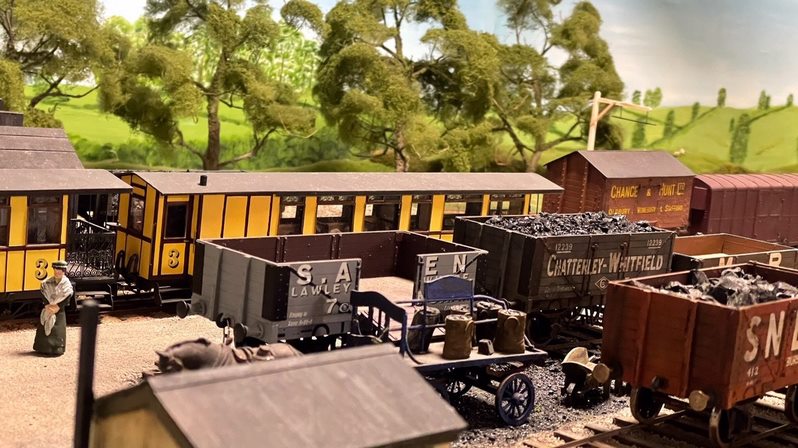
The line only possessed two locomotives, four carriages and eight bogie wagons and these have all been built from available kits. The locos are Slaters and the stock from Dorset Kits; all finished in the early livery – light chocolate brown for the locos and primrose yellow for the passenger stock. The engineer to the line was one Everard Calthrop, a great proponent of narrow gauge lines for the British Empire and the line had a strangely colonial appearance as you can see.
The line ran with a one engine in steam principal, negating the requirement for extensive signalling, but for the exhibition we will fire them both up together! All the stock was vacuum fitted and short mixed trains were very much the order of the day. It was one of very few British NG lines to feature transporter wagons which were used to convey standard gauge wagons from the SG interface at Waterhouses up the line – each station had a short length of SG track at the end of the siding and the SG wagons were pushed by hand on and off the transporters where they could be unloaded at leisure. Hulme End had the luxury of two such sidings.
The model is DCC operated using Lenz control with Zimo decoders in the stock. The locos have sound, smoke, firebox glow and working Walschearts reversing gear.
-
 Hulme End
-
Hulme End
Hulme End
-
Hulme End
Hulme End
-
Hulme End
Hulme End
-
Hulme End
Hulme End
-
Hulme End
Hulme End
-
Hulme End
Hulme End
-
Hulme End
Hulme End
-
Hulme End
Hulme End
-
Hulme End
Hulme End
-
Hulme End
Hulme End
-
-
-


https://mail.narrowgaugenorth.org.uk/index.php/85-public-news/exhibitors-previous?start=28#sigProId7ff7cd6ba8
| By | Dave Holmes |
| Scale | 4mm |
| Gauge | 9mm |
| Size | 4' x 2' |
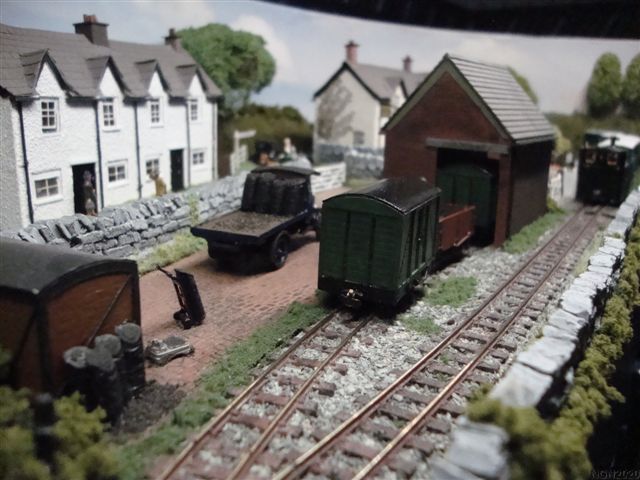
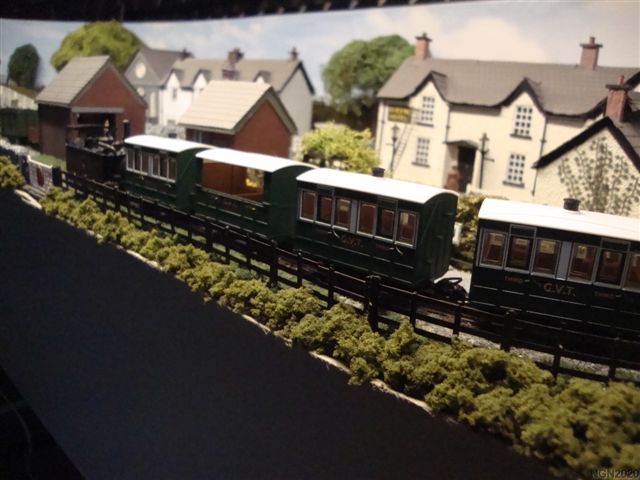
Based on the Glyn Valley Tramway set in the 1930's.
Dolwyn is fictitious place but all the buildings are based on those found in the real village of Dolywern which is a few miles south of Llangollen.
The stock is a mixture of kit built and ready to run.
https://mail.narrowgaugenorth.org.uk/index.php/85-public-news/exhibitors-previous?start=28#sigProId99af57ebc0
| By | Mark Croucher |
| Scale | 4mm |
| Gauge | 9mm |
| Size | 6' x 2' |
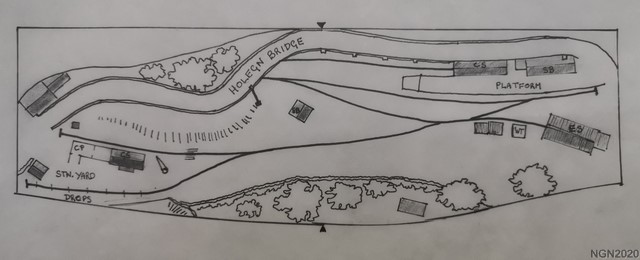
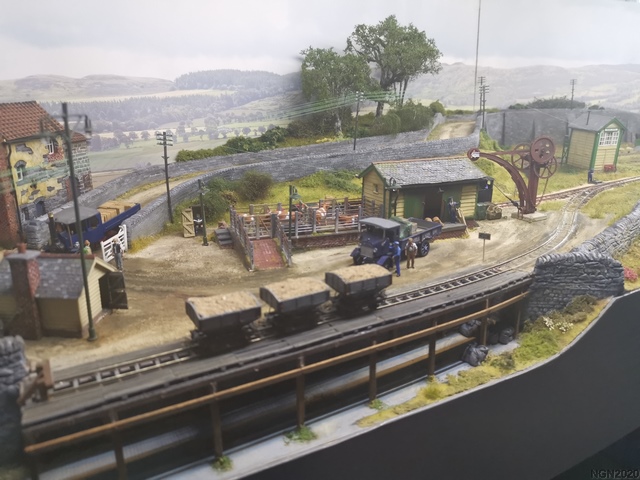
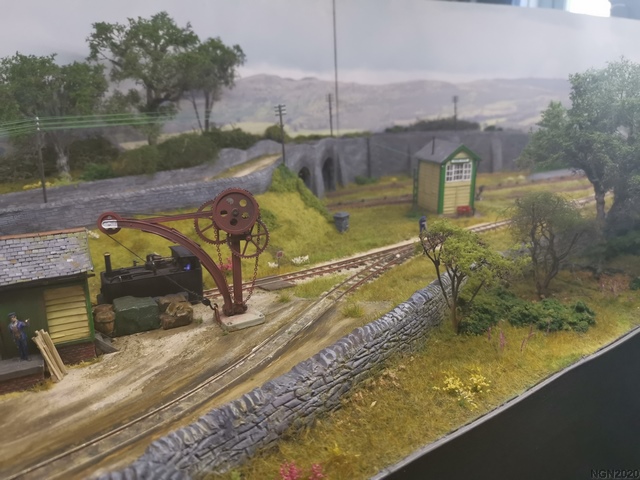
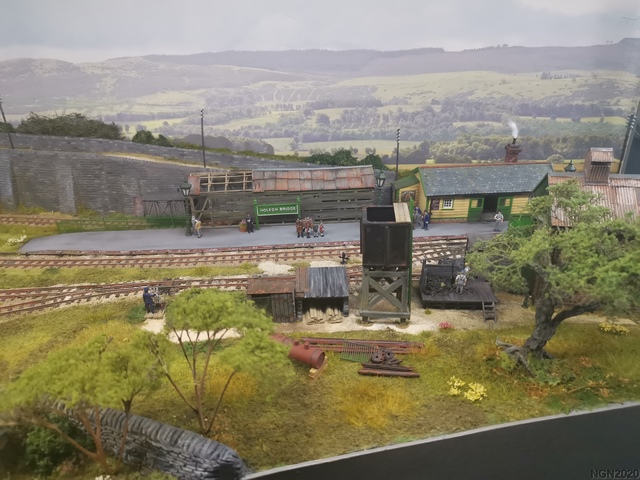
This independent narrow gauge railway evolved despite a lack of capital and the ups and downs of the mining and extraction industries.
Given a new lease of life by the demands of the Great War the railway subsequently suffered a slump in the post war depression before new investors set about rebuilding the railway.A last roll of the dice for the railway.
Taking advantage of Army surplus and the second hand market the railway was relaunched with diversified interests in the transportation of dry goods agricultural products and people.
-
Holegn Bridge
Holegn Bridge
-
Holegn Bridge
Holegn Bridge
-
Holegn Bridge
Holegn Bridge
-
Holegn Bridge
Holegn Bridge
https://mail.narrowgaugenorth.org.uk/index.php/85-public-news/exhibitors-previous?start=28#sigProId5f88413758
| By | Peter Phillips |
| Scale | HO / HOe |
| Gauge | 16.5mm / 9mm |
| Size | 12' x 5'6" |
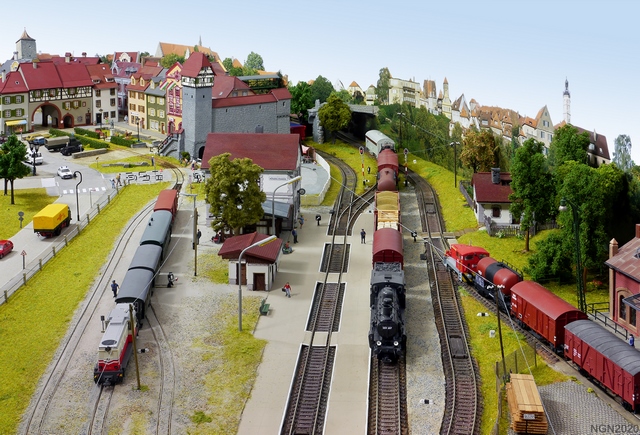
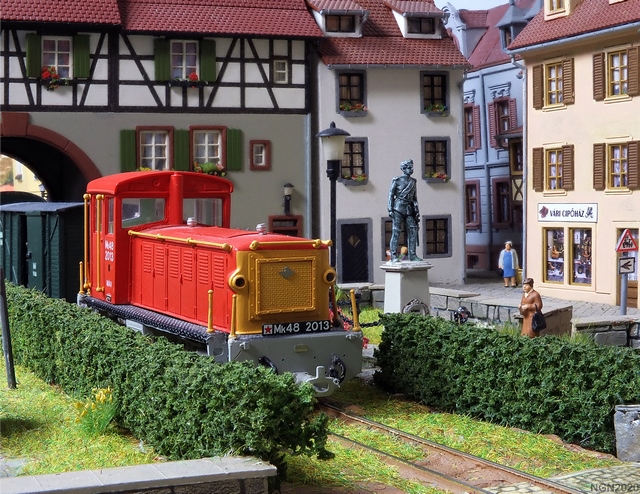
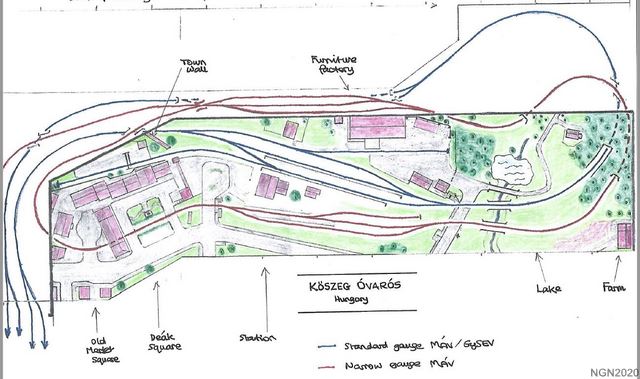
My layout (Koszeg Old Town) features both Narrow Gauge and Standard Gauge lines in Hungary, period 1980-1990: scale HO / HOe.
https://mail.narrowgaugenorth.org.uk/index.php/85-public-news/exhibitors-previous?start=28#sigProId11f3965978